 ®
®יריעות להפרדה ב-UV, בחום ולעיבוד חוזר
יריעות להפרדה ב-UV ובחום לקיבוע זמני במהלך הייצור, לצד סרטי הדבקה הניתנים להסרה במתיחה, באלכוהול או בחום, להדבקה לאורך תקופת השימוש ולתיקון. בחרו לפי המצע, עומס האחיזה, שיטת ההפרדה ומועד ההסרה.
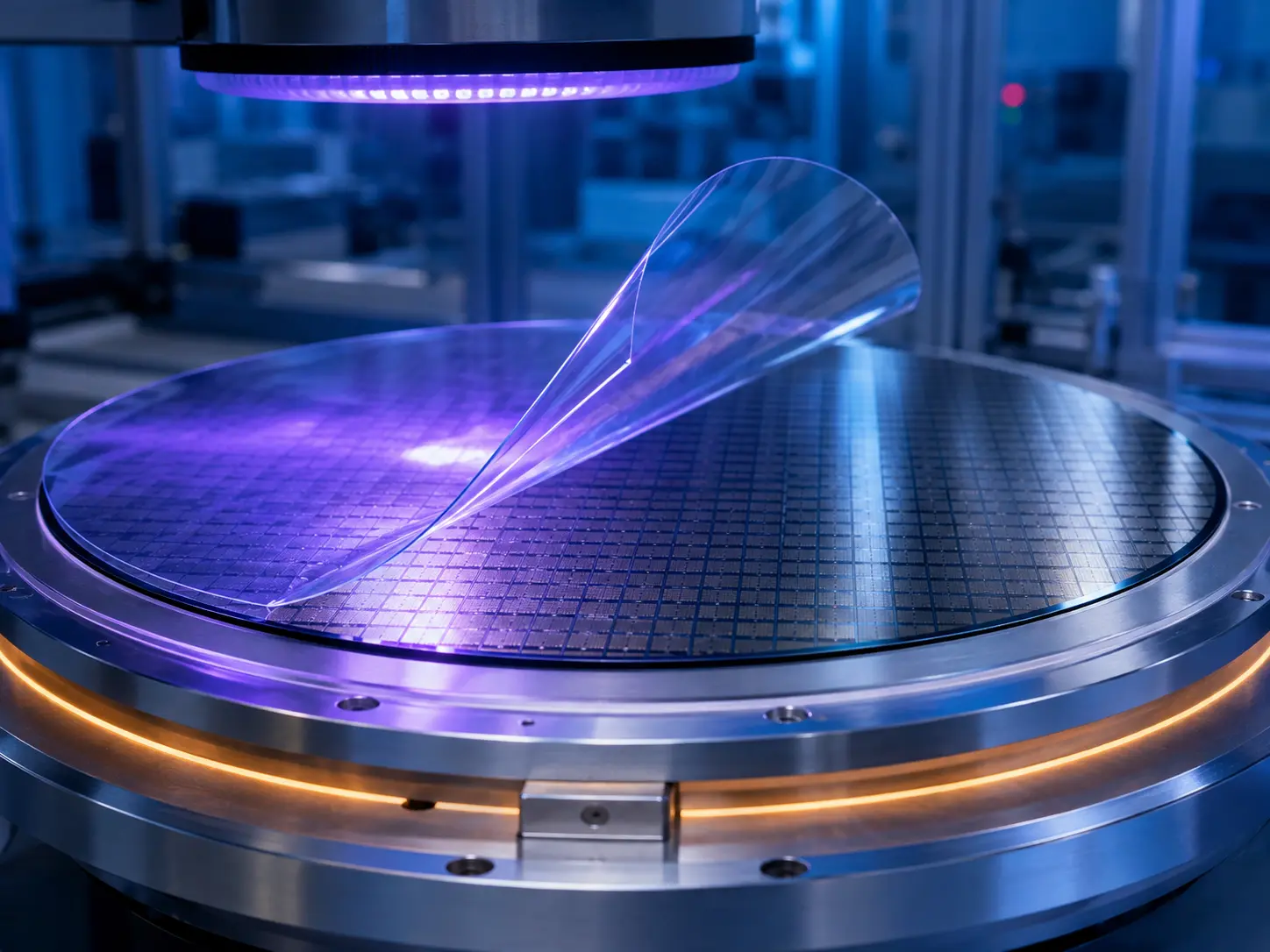
מה מכיל מבנה החומר.
השכבות מוצגות לפי סדרן התפקודי; המבנה המדויק ייחודי לכל דרגה.
- 01PET, PO, TPU, carrierless or foam support selected for stiffness and conformity
- 02UV-responsive, heat-expandable, thermal-release, stretch-release or alcohol-release adhesive
- 03Optional PET or paper release liner
- 04Activation and removal step controlled in the customer process flow
דרגות מזוהות לבחירה הנדסית.
כל דגם ECLEAR מגדיר תפקיד חומרי ומבנה ייחודיים. ההצלבות מול דרגות הייצור נשמרות באופן מבוקר במאגר האב של מוצרי ECLEAR לצורך עקיבות.
Controlled release for process handling and repairable assemblies.
01UV-debonding films retain parts during cutting or handling, then reduce adhesion after a defined ultraviolet spectrum and dose. Substrate transmission, shadow zones, lamp aging and dose uniformity can create different release behavior across the same part.
02Thermal-release films use a grade-specific temperature and dwell to trigger clean separation. Heating rate, actual interface temperature, pressure and part thermal mass must be controlled rather than relying only on an oven set point.
03A successful debonding film balances holding power with removability. Repairable assembly tapes must maintain the required bond throughout service before the specified rework event. Residue, part movement, edge lift and substrate damage are evaluated before and after storage and process exposure.
ביצועים המוגדרים בהקשר היישום.
היתרונות נבחנים על המצע, בתהליך ובהרכבה הסופית המיועדים.
Named UV-release grades across multiple carrier thicknesses and tack levels
Lined and linerless thermal-release films for different handling routes
Reworkable PET and foam tapes for electronics assembly
Clear separation of activation mechanism, temperature, dose and removal role
מהגדרת החומר ועד למבנה ייצור שעבר הסמכה.
ההסמכה מקשרת בין החומר, מסלול העיבוד וקו הייצור של הלקוח.
Record substrate, process force, dwell, temperature and required dimensional stability.
Match UV spectrum/dose or thermal profile to the part and equipment.
Measure shadow, edge, overlap and local-temperature conditions across the assembly.
Check peel force, residue, damage and throughput after realistic aging.
הראיות שיש לאסוף לפני אישור המפרט.
יש להשתמש במצעים, בתנאי תהליך וברצפי התיישנות המייצגים את היישום בפועל.
- Pre-activation adhesion and shear stability through the full process
- Post-activation peel using a defined UV dose or thermal profile
- Shadow-zone, edge and overlap release uniformity
- Residue, outgassing, contamination and substrate-damage inspection
- Aged release after transport, storage and environmental exposure
ערכים דורשים שיטת בדיקה ומהדורה מאושרת.
ערכים אופייניים תומכים בבחירה; המפרטים המבוקרים מופיעים ב־TDS המאושר.
ערכים טיפוסיים אינם מפרט מובטח. הגבולות הסופיים כפופים ל-TDS מאושר של ECLEAR ולאימות הלקוח.
שאלות שמהנדסים שואלים לפני ניסוי בקו.
יש להגדיר את תפקיד החומר, הממשקים וחלון התהליך לפני הזמנת דוגמאות.
Is total UV dose enough to define debonding?+
No. Spectrum, irradiance, exposure time, lamp distance, substrate transmission and shadow geometry all influence the reaction. They must be recorded with the dose.
Can a thermal-release grade be selected from temperature alone?+
No. The actual interface temperature, dwell, pressure, heating rate, substrate and removal timing are part of the qualification window.
Can ECLEAR recommend a grade from an application description alone?+
A first shortlist is possible, but a production recommendation requires the substrate, layer construction, equipment, process sequence, test method and acceptance criteria. ECLEAR normally moves from requirement definition to laboratory matching, samples, line trial and a frozen approved specification.
Are the values shown on this page guaranteed specifications?+
No. Website values and constructions are selection guidance. Guaranteed limits, test conditions, packaging and shelf life are controlled only by the latest ECLEAR-approved TDS, quality agreement and customer qualification record.
היכן פלטפורמה זו נבחנת.
כל יישום עדיין דורש בדיקת תאימות ברמת המבנה המלא ואימות בקו הייצור.
פרמטרים שיש לבקר.
יש לתעד את חלון התהליך המלא, ולא רק הגדרה נומינלית אחת.
- Define the exact activation source, dose or time-temperature profile.
- Measure shaded edges, masked zones and heat-sink areas for incomplete release.
- Control lamination pressure, dwell, carrier strain and stripping geometry.
- Verify residue, part distortion and post-release surface cleanliness.
מה עלינו לדעת.
נתונים אלה מאפשרים ל־ECLEAR לצמצם את בחירת הדרגה ולהגדיר את תוכנית האימות.
- Q1What initial holding force is needed before activation?
- Q2Which UV wavelength/dose or thermal cycle is available on the line?
- Q3Is the substrate flat, curved, porous, fragile or temperature-sensitive?
- Q4Must the adhesive release once, reversibly or by mechanical stretch?
מה ניסוי שיטתי צריך לחשוף בשלב מוקדם.
בדיקות כשל מוקדמות מפחיתות את סיכוני ההרחבה ומונעות השוואות שגויות בין חומרים.
Incomplete UV exposure in shadow zones
Thermal damage or distortion outside the substrate window
Residue after excessive dwell or unapproved aging
Confusing a reversible repair tape with an irreversible drop-off film
מסמכים טכניים מבוקרים.
יש לבקש את המהדורה העדכנית עבור דרגת ECLEAR והיישום שנבחרו.
מבנים אופייניים ותפיסות יישום ניתנים לצורכי בחירת חומר בלבד. הזמינות, המבנה, הביצועים ותנאי התהליך ייחודיים לכל דרגה וכפופים ל־TDS העדכני שאושר בידי ECLEAR, לבדיקות יישום ולהסמכה הסופית של הלקוח.
מערכות חומרים קשורות.
יש לבחון חומרים סמוכים המקיימים אינטראקציה עם מוצר זה באותו מבנה או תהליך.
יש לאמת את המבנה המלא, ולא חומר בודד.
שתפו את פרטי המצע, המבנה, התהליך וקריטריוני הקבלה לקבלת המלצה ממוקדת.